
Alveoplasty
Alveoplasty is a surgical procedure that reshapes the jawbone to optimize denture fit or promote healing after extractions. It corrects irregularities like sharp ridges or undercuts for better dental appliance placement.
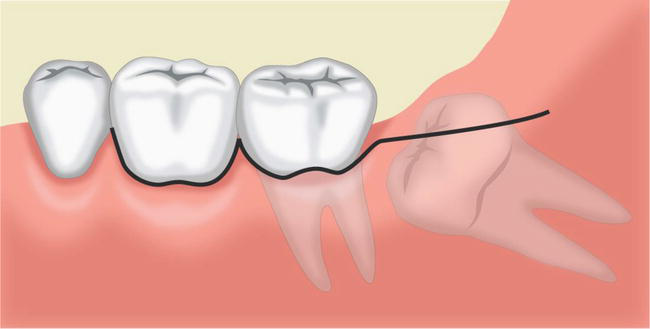


About Alveoplasty
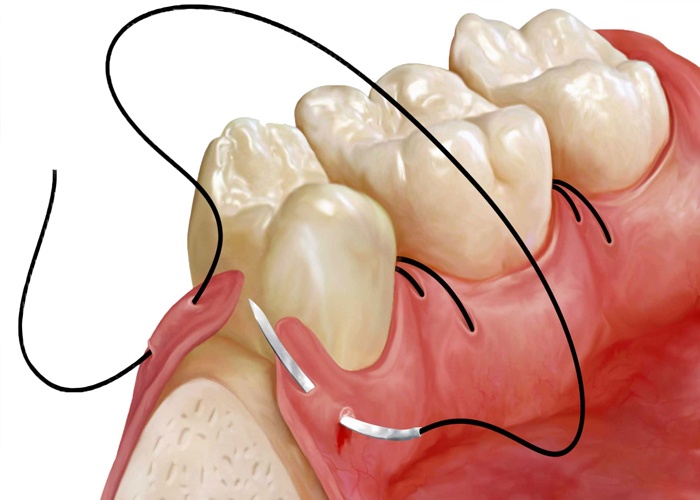
Alveoplasty is a surgical procedure performed at Nirmal Super Specialty Dental Hospital to reshape the jawbone, specifically the alveolar ridge, to optimize the fit and comfort of dentures or promote proper healing after tooth extractions. This procedure is commonly required when irregularities in the jawbone surface, such as sharp or protruding areas, may cause discomfort or interfere with the placement of dental appliances. Alveoplasty is typically considered a minor surgical procedure and is performed under local anesthesia. The process involves recontouring the bone using specialized instruments like bone files, rongeurs, and dental drills. After the procedure, non-resorbable stitches may be placed, which are typically removed after 7 to 10 days. Alveoplasty at Nirmal Super Specialty Dental Hospital can greatly improve the fit, comfort, and stability of dentures, leading to better oral health and quality of life.
Why Is An Alveoloplasty Performed?
Alveoplasty is often performed prior to denture construction to optimize the jawbone shape, ensuring a proper fit and avoiding complications with insertion, comfort, stability, and retention. It is also done in association with tooth extractions to establish a jawbone shape that facilitates the healing process.
When Is An Alveoloplasty Required?
An alveoloplasty may be necessary when irregularities in the jawbone could interfere with denture insertion, comfort, stability, and retention. Problems like a non-smooth jawbone surface or undercuts in the jaw ridge may require correction for proper denture fit.
Why Is An Alveoloplasty Needed?
Sometimes, healing and natural jawbone reshaping after extractions may not progress as expected, leading to the need for an alveoloplasty. Additionally, sporadic tooth removal over years can result in an irregular ridge shape. Some cases, such as those with exostoses or tori, may always require a separate alveoloplasty procedure.
How Is The Alveoloplasty Procedure Performed?
Alveoloplasty is a minor surgical procedure done under local anesthesia. The bone is recontoured using bone files, rongeurs, and dental drills. After the necessary corrections are made, the surgical site is closed with stitches, which are typically removed after 7 to 10 days.
FAQ'S:
The procedure is done under local anesthesia, so you will not feel pain during the surgery. Some discomfort may be experienced post-surgery, but it can be managed with prescribed medications.
Local anesthesia is typically used for alveoloplasty. However, in more complex cases, general anesthesia may be an option.
Patients are advised to avoid strenuous physical activity for 24 hours after surgery. Smoking and alcohol consumption should be avoided to prevent dry socket and delayed healing. A soft diet is recommended for the first two days post-surgery.
Some discomfort and swelling are normal after the procedure. Pain medication will be prescribed to manage any discomfort, and cold compresses can help reduce swelling.
While alveoloplasty is considered a safe procedure, there is a risk of complications such as infection, bleeding, and nerve damage. However, these risks are minimal when the procedure is performed by experienced professionals.