
Orthognathic Surgery
Nirmal Super Specialty Dental Hospital provides expert care for orthognathic surgery, correcting jaw misalignments to improve function and facial appearance. With a multidisciplinary team, advanced planning, and 24/7 support, patients receive the best outcomes.v
About Orthognathic Surgery
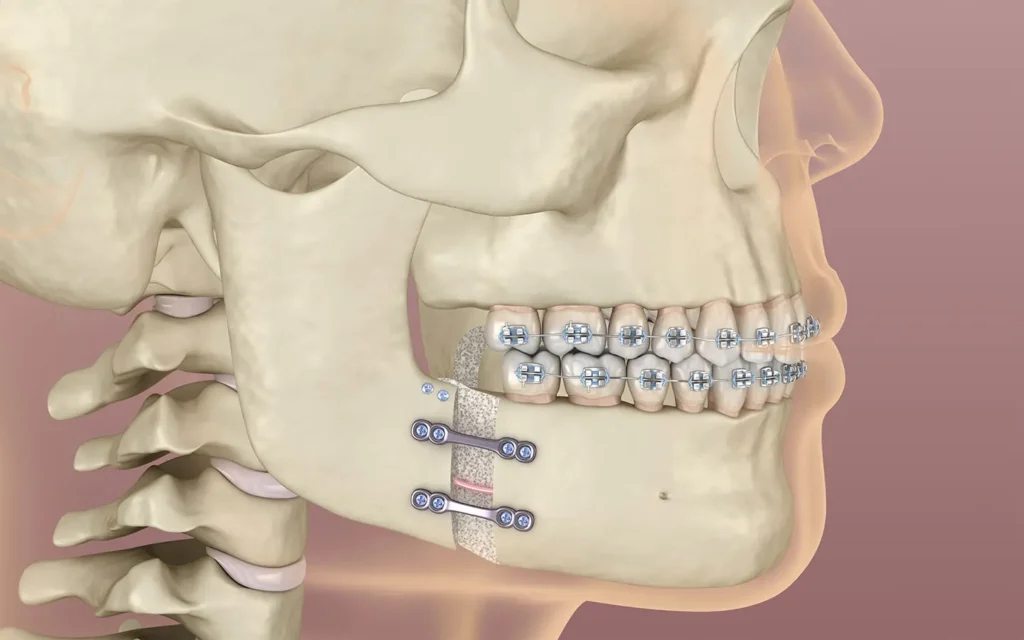
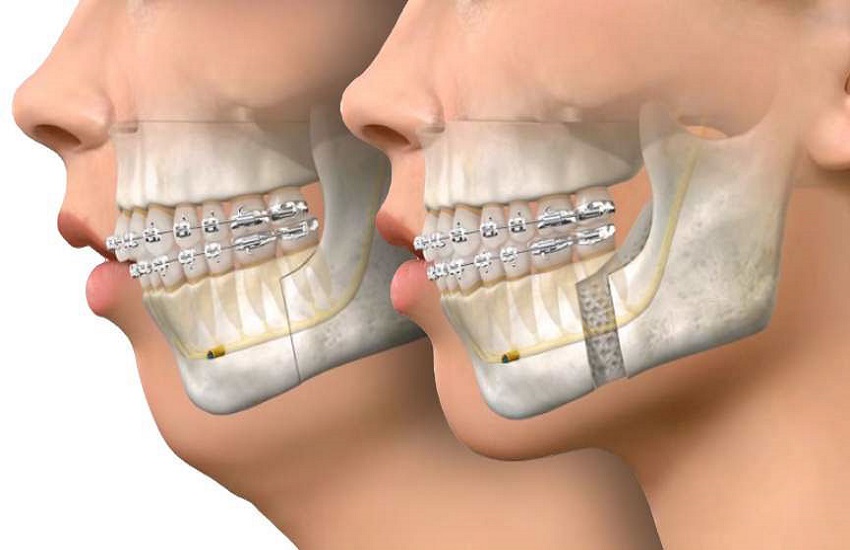
Nirmal Super Specialty Dental Hospital specializes in orthognathic surgery, a corrective procedure for jaw misalignments that can cause pain, chewing difficulties, and facial irregularities. This surgery involves collaboration among oral and maxillofacial surgeons, orthodontists, and sometimes speech therapists. Advanced planning includes radiographs and customized software to predict post-surgery facial shape. Candidates for this surgery include those with improper bites, jaw growth discrepancies, or birth defects affecting jaw alignment. Symptoms such as difficulty chewing or breathing, speech problems, and jaw pain may indicate a need for surgery. Procedures like maxillary and mandibular osteotomies and genioplasty are performed to reposition the jaw and correct issues. Nirmal Super Specialty Dental Hospital ensures comprehensive care, from pre-surgical planning to post-operative recovery, for optimal outcomes and patient satisfaction. Nirmal Super Specialty Dental Hospital
FAQs: Orthognathic Surgery
- Orthognathic surgery, or corrective jaw surgery, is a procedure to correct misalignments of the jaw that can cause pain, difficulty in chewing, and affect facial appearance. It involves repositioning the jaws to improve function and aesthetics.
- Patients with improper or misaligned bites, jaw growth discrepancies, injuries, or birth defects affecting jaw alignment may benefit from orthognathic surgery. Symptoms include difficulty in chewing, speech problems, chronic jaw pain, and breathing issues.
The surgery involves making cuts in the jawbones to reposition them. Upper jaw surgery (maxillary osteotomy) corrects issues like a receded upper jaw, crossbite, or open bite. Lower jaw surgery (mandibular osteotomy) corrects a receded lower jaw. Chin surgery (genioplasty) can also be performed to correct a deficient chin.
- Orthodontic treatment with braces usually precedes surgery to align the teeth. After surgery, which is performed under general anesthesia, patients may need to stay in the hospital for one to two days. Full recovery at home typically takes three to six weeks.
- Nirmal Super Specialty Dental Hospital offers expert care for orthognathic surgery, with a multidisciplinary team of oral and maxillofacial surgeons, orthodontists, and other specialists. Advanced planning and evaluation, along with 24/7 support, ensure the best outcomes for patients undergoing orthognathic surgery.
Consider consulting an orthognathic specialist if you experience:
- Difficulty in chewing, biting, or swallowing
- Speech problems
- Chronic jaw or TMJ pain
- Open bite
- Protruding jaw
- Breathing problems Jaw surgery may be recommended for patients with severe upper or lower jaw discrepancies.
Surgical Procedures Include
Mandibular osteotomy
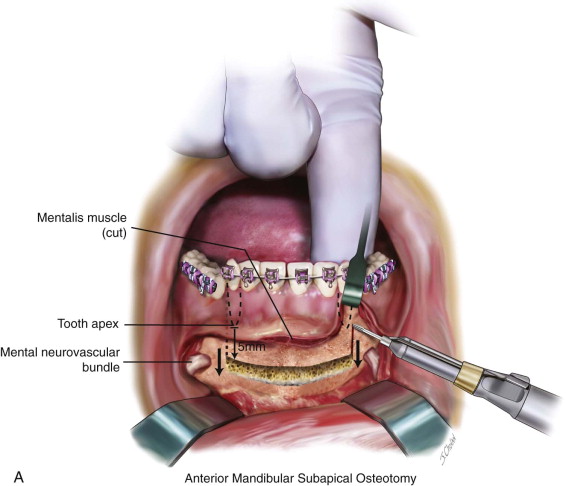
Mandibular osteotomy corrects a receded or protruded lower jaw. The surgeon makes cuts behind the molars and along the jawbone’s length, allowing the front of the jaw to move as a single unit. Screws are used to hold the jaw bone in its new position until it heals. This procedure helps the jaw slide smoothly into its corrected alignment.
Upper Jaw (Maxillary Osteotomy)
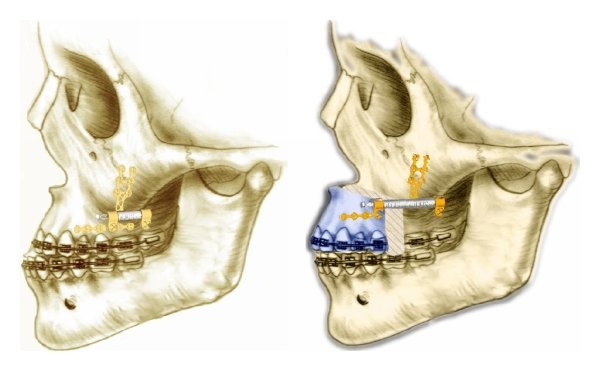
Maxillary osteotomy, a surgical procedure for orthognathic surgery, corrects issues like a receded or protruded upper jaw, crossbite, or open bite. The surgeon cuts the bone above the teeth from inside the mouth, allowing the upper jaw and teeth to move forward as one unit. Tiny screws and plates hold the realigned jaw in its new position, integrating into the bone over time.
Procedure:
Jaw surgery involves repositioning the bones of the lower and/or upper jaw to align them correctly. Typically performed under general anesthesia, the surgery is minimally invasive, often done through the inside of the mouth without cutting the skin. Hospital stay is usually one to two days, followed by a home recovery of three to six weeks. Braces are often worn before and after surgery for nine to eighteen months to align the teeth properly, with the entire process lasting 18 to 24 months.