GUM DEPIGMENTATION
Gum depigmentation, also known as gum bleaching or gum lightening, is a cosmetic procedure aimed at reducing the appearance of dark spots or patches on the gums.
About GUM DEPIGMENTATION
Discover the Power of Dental Wellness.
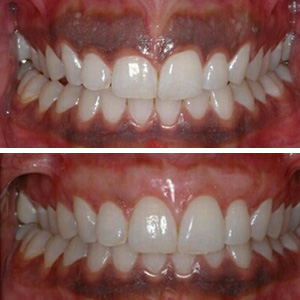
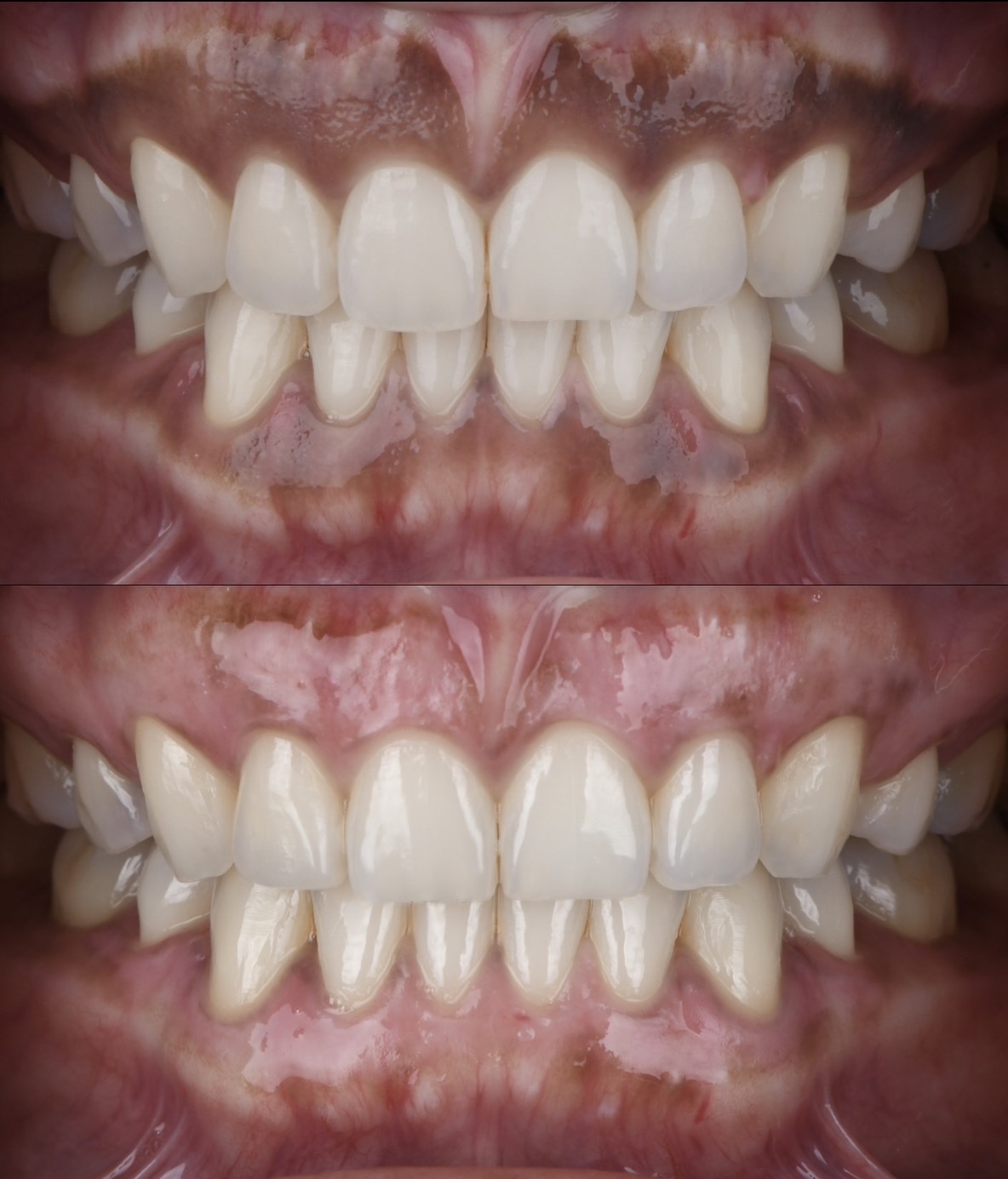
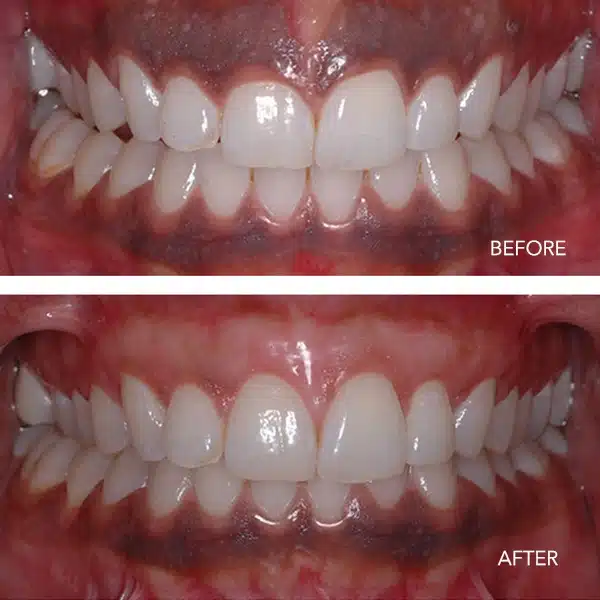
Gum depigmentation, or gum bleaching, is a cosmetic procedure designed to reduce the appearance of dark spots on the gums caused by melanin hyperpigmentation. Using specialized dental lasers or surgical instruments, pigmented tissue is removed, resulting in a more uniform gum color. Typically performed under local anesthesia, the procedure is minimally invasive with mild post-treatment discomfort. By targeting melanin-rich areas, patients achieve a brighter, more aesthetically pleasing smile.
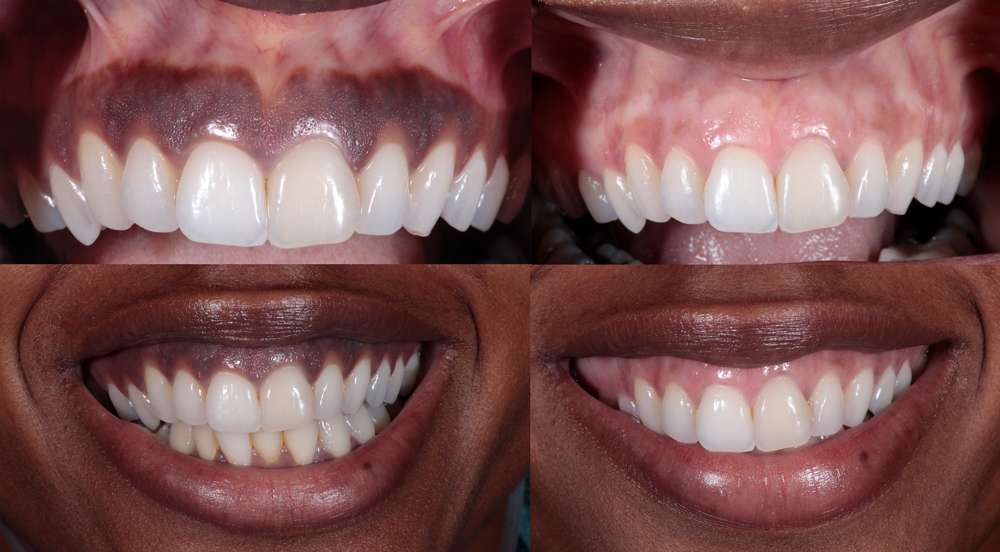
What Causes Gum Hyperpigmentation?
- Excess melanin production mainly affects aesthetics, posing no significant medical risks.
- Medical causes include genetics, hormonal imbalances, medications, smoking, lung infections, and, rarely, malignancies.
- Lifestyle factors like oral hygiene, diet, and environmental exposures contribute to pigmentation.
- Ethnic background may influence pigmentation, with certain groups predisposed to darker gums.
- Trauma or injury to the gums can stimulate melanin production and lead to pigmentation.
- Consultation with a dentist helps identify causes and tailor treatments for gum pigmentation.
Who Needs Gum Depigmentation ?
This procedure is recommended for patients expressing aesthetic concerns regarding excessively dark gums.
Your periodontist will begin by obtaining a comprehensive medical history to identify the underlying cause of the pigmentation. This includes:
- Assessing the duration of pigmentation occurrence.
- Examining for similar pigmented areas on the tongue, cheeks, lips, or other parts of the mouth.
- Inquiring about pigmented areas on the skin in other parts of the body.
- Investigating any history of hormonal imbalances or endocrine disorders.
- Reviewing chronic medication usage.
- Evaluating for any other systemic infections or conditions that may contribute to gum pigmentation.
This thorough assessment helps tailor the treatment plan to address the specific needs and concerns of each patient.
Laser Depigmentation
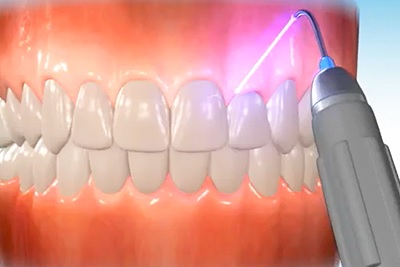
- Topical anesthesia is typically sufficient when using lasers for gum depigmentation.
- The laser tip is activated and gently applied to the gums in continuous brushing strokes.
- This process removes the outer layer of the gums until the desired thickness is achieved.
- Following treatment, the area is covered with a dressing, and patients are scheduled for a follow-up appointment after one week.