
APICECTOMY
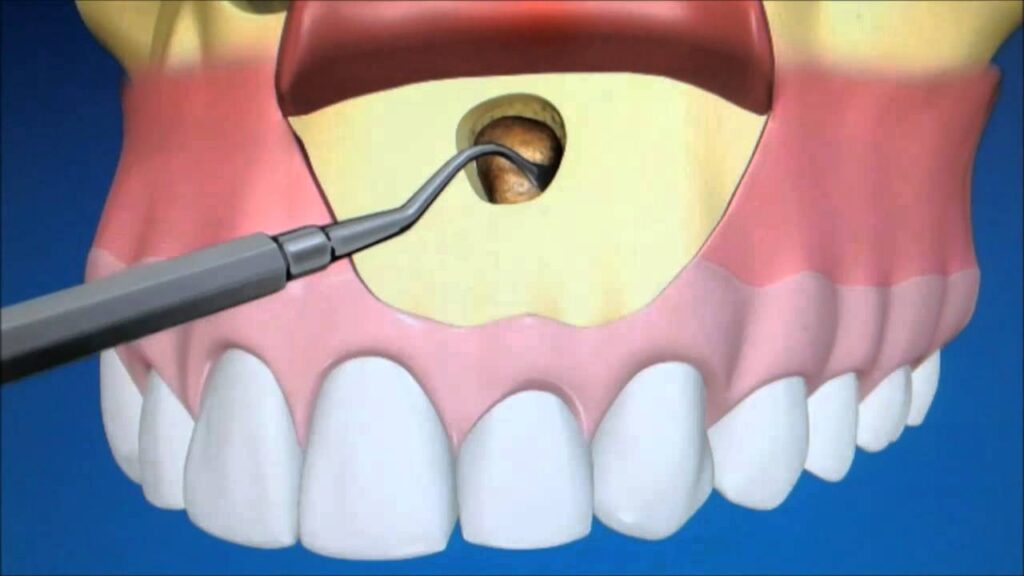
An apicectomy is a minor surgical procedure to remove the tip of a tooth root, preserving tooth structure and preventing extraction. Nirmal Super Specialty Hospital provides expert care for this procedure.
About Alveoplasty
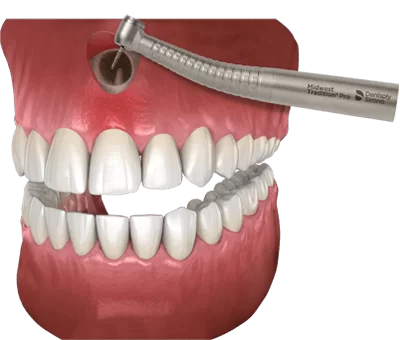
Alveoplasty is a surgical procedure performed at Nirmal Super Specialty Dental Hospital to reshape the jawbone, specifically the alveolar ridge, to optimize the fit and comfort of dentures or promote proper healing after tooth extractions. This procedure is commonly required when irregularities in the jawbone surface, such as sharp or protruding areas, may cause discomfort or interfere with the placement of dental appliances. Alveoplasty is typically considered a minor surgical procedure and is performed under local anesthesia. The process involves recontouring the bone using specialized instruments like bone files, rongeurs, and dental drills. After the procedure, non-resorbable stitches may be placed, which are typically removed after 7 to 10 days. Alveoplasty at Nirmal Super Specialty Hospital can greatly improve the fit, comfort, and stability of dentures, leading to better oral health and quality of life.
FAQs :
- Apicectomy is a surgical intervention to remove the tip of a tooth root, known as the apex. It is done to treat persistent infection or cyst after root canal treatment.
- Apicectomy is needed when infection persists in the tooth apex after root canal treatment or when the root tip cannot be sealed with a normal root filling.
- Apicectomy is a routine procedure with minimal complications. It helps eliminate infection from the tooth apex and preserves the tooth structure.
- Some discomfort and swelling may occur after the procedure, and painkillers and antibiotics may be prescribed. Rest and follow-up care are important.
- Leaving the infected root untreated can lead to further complications. Alternative options include re-root canal filling or tooth extraction, but these may not be suitable in all cases.
- Factors such as severe systemic disease, unusual root configurations, lack of surgical access, and poor supporting tissue may contraindicate surgical endodontic procedures.
there are few absolute contraindications to surgical
endodontics, certain factors should be considered:
While there are few absolute contraindications to surgical endodontics, certain factors should be considered:
- Patient factors, such as severe systemic disease and psychological considerations.
- Dental factors, including:
- Unusual bony or root configurations
- Lack of surgical access
- Possible involvement of neurovascular structures
- Unrestorability of the tooth
- Poor supporting tissue
- Poor general oral health
- The skill, training, facilities, and experience of the operator should also be taken into account.