
Jaw Joint Problems
Jaw joint problems, collectively known as temporomandibular disorders (TMD), involve issues with jaw muscles, joint, or surrounding structures, causing symptoms like pain, stiffness, clicking, and difficulty chewing or opening the mouth.
About Jaw Joint Problems
Temporomandibular disorders (TMD) encompass various issues affecting the jaw joint, muscles, and surrounding structures. Symptoms include pain, stiffness, clicking, and difficulty chewing or opening the mouth. Common causes include stress, teeth grinding, joint wear, and muscle tension. Diagnosis involves clinical examination and imaging tests like X-rays or MRI scans. Treatment ranges from lifestyle changes and medication for mild cases to surgery for severe or persistent symptoms.
Most TMD cases improve with proper treatment, with rare complications. Symptoms typically subside over time, and recurrence can often be managed effectively with the appropriate interventions, leading to a favorable outlook for patients.
Treatment ranges from self-care measures like heat application and relaxation techniques to professional interventions like medication, splints or night guards, occlusal correction, and therapies like TENS or trigger-point injections. Severe cases may require surgery.
Diagnosis involves clinical examination, X-rays, and advanced imaging like CT scans or MRI. Specialized tools like T scan and EMG help assess jaw function, aiding in accurate diagnosis and personalized treatment planning.
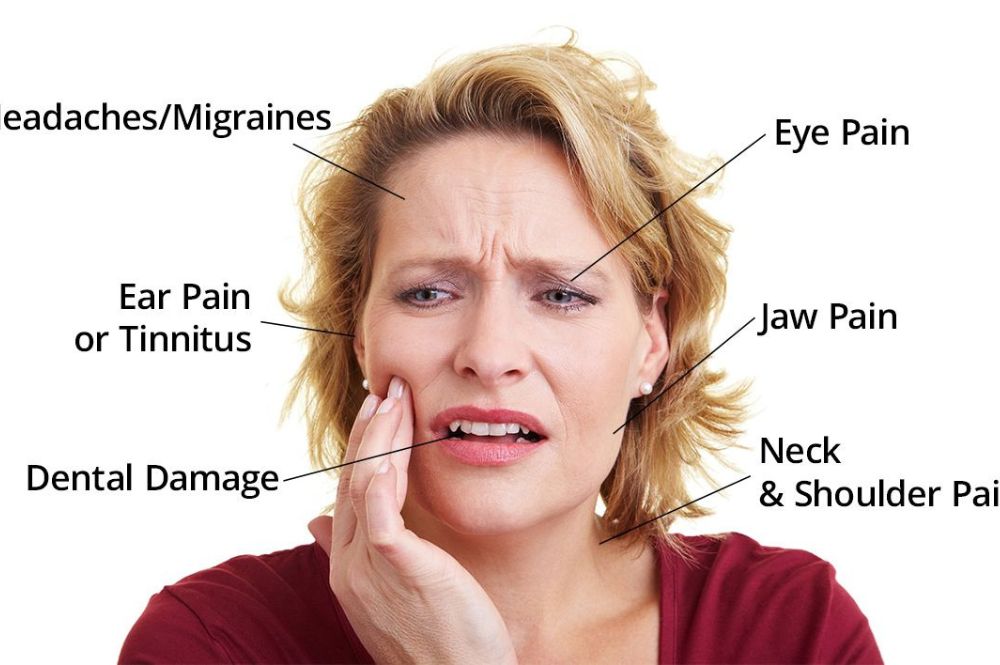
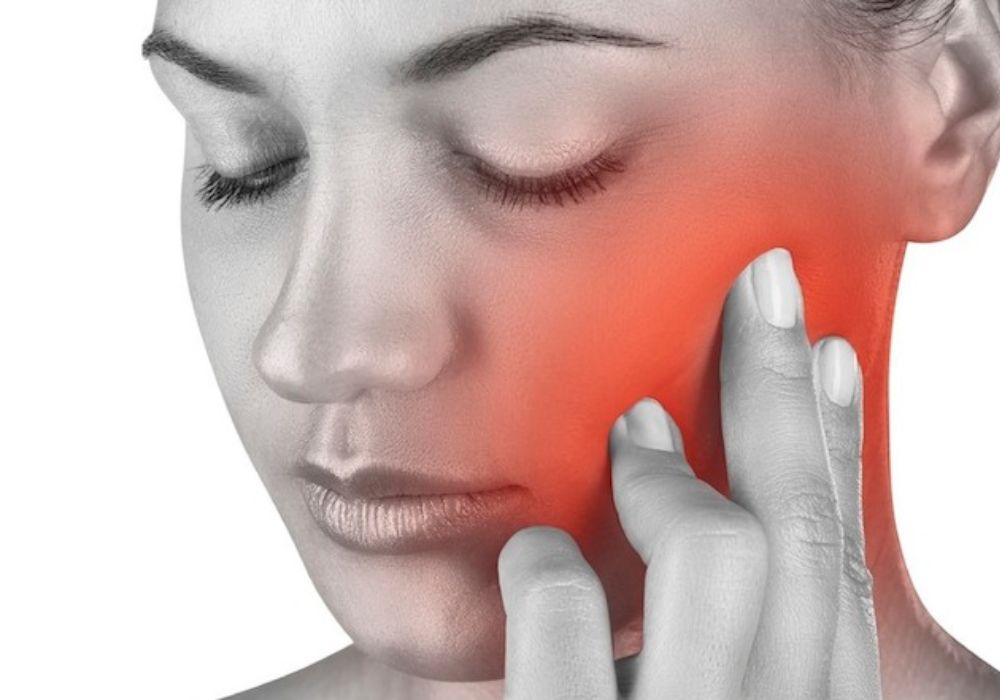
Symptoms include facial, jaw, and ear pain, jaw stiffness, clicking or popping sounds, and difficulty chewing or opening the mouth fully. Other signs include headaches, neck pain, and hearing issues.