ORTHOGNATHIC & OTHER FACIAL SURGERIES
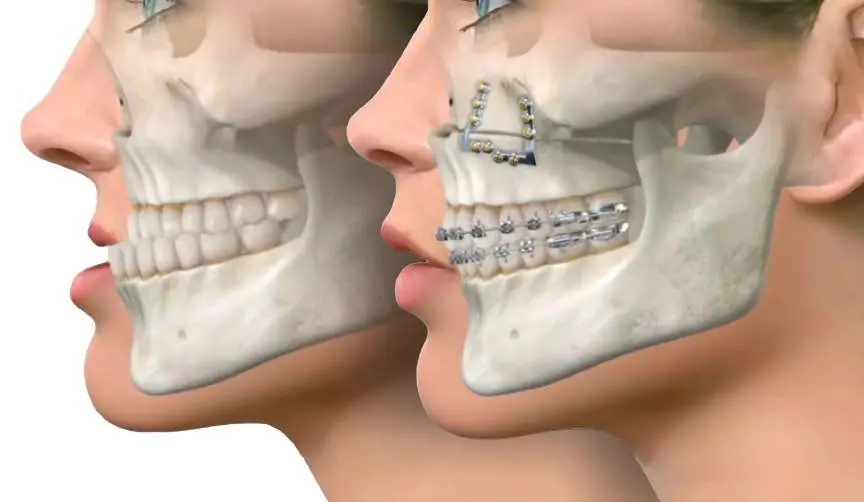
Orthognathic surgery realigns the jaws to correct jaw imbalances and enhance facial harmony. (“Ortho” denotes straighten, “gnathia” refers to jaw.)
Orthognathic Facial Treatment In Tirupati
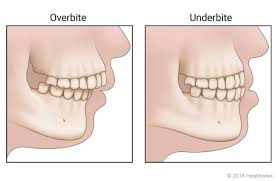
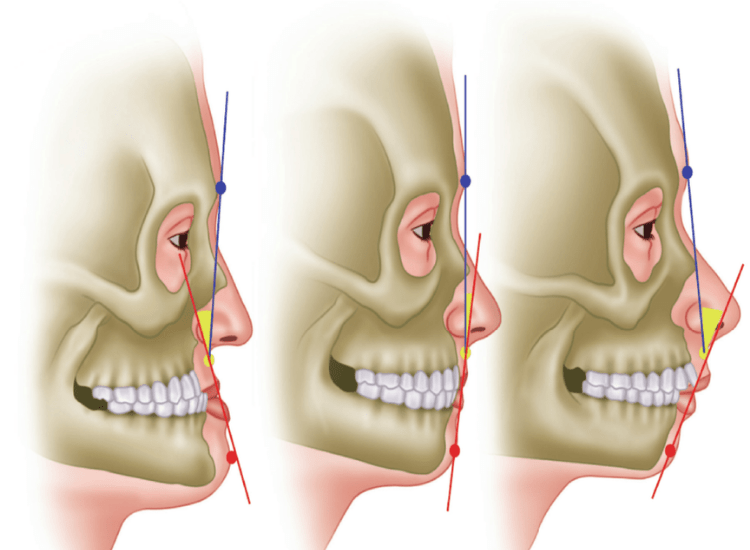
Orthognathic surgery, derived from “ortho” meaning straighten and “gnathia” referring to jaw in Latin, aims to reposition the jaws to correct imbalances between the upper and lower jaws. Sometimes, orthodontics alone cannot achieve proper alignment due to structural discrepancies. By addressing larger jaw discrepancies, orthognathic surgery not only improves bite function but also enhances facial aesthetics by harmonizing facial proportions and contours, resulting in a more balanced and appealing appearance.
- Do you have any difficulty in chewing or biting?
- Are you dissatisfied with your facial appearance from the front?
- Are you dissatisfied with your facial appearance from the side?
- Do you have a protruding jaw or lack of chin?
- Do you have an open bite?
The first step is a consultation with a maxillofacial surgeon and orthodontist. They will assess your expectations, diagnose your condition, and discuss treatment options. This may include photos, dental impressions, x-rays, or CT scans.
Orthognathic surgery may involve the upper, lower, or both jaws. It is typically performed from inside the mouth to avoid external scars. Jawbones are repositioned and secured with titanium plates and screws. Elastic bands guide teeth into their new position.
After surgery, swelling and bruising are common but subside over 2-3 weeks. Numbness of the lower lip may occur temporarily. Full bone healing takes 4-6 weeks, while facial muscles adapt over 3-4 months.
Orthognathic surgery is generally safe but may carry risks, including numbness, infection requiring plate removal, bite readjustment, and rare relapse. Patients should discuss specific risks with their surgeon.